
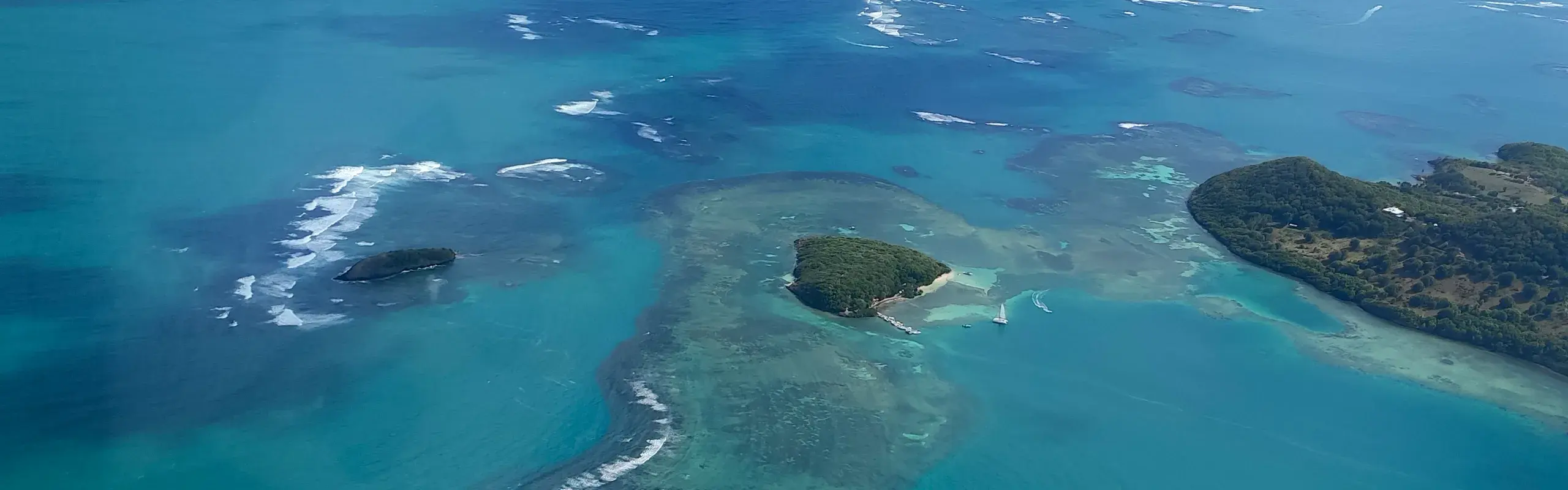
The islets of Le Robert: 10 islets sheltered by the reef
Ten islets sheltered by a barrier reef, from the giant Chancel to the sandbank of Loup Garou. What makes each one special, which ones are open to the public, which ones close, and what protects them.
A bay sheltered by the reef
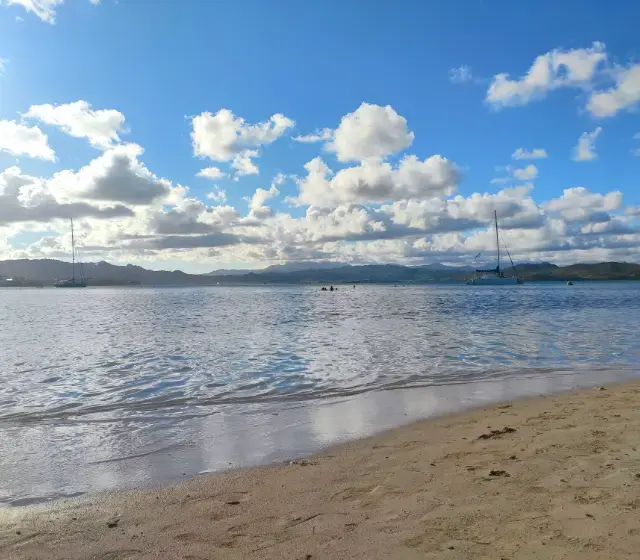
Le Robert opens onto the Atlantic, Martinique's windward coast, the one that takes the swell head-on. Its bay is calm all the same, and it owes that to a barrier reef about 25 kilometers long that runs offshore, mostly submerged under 5 to 10 meters of water. The swell breaks on it, and behind it lies a sheltered stretch of water dotted with seagrass beds, sandy shallows and islets.
The reef does more than protect the bay: some of the islets are part of it. Loup Garou, about 9 kilometers east of the town, is one of the few cays of the reef that rise above the water, a sandbank resting on the barrier itself. Petit Piton, for its part, was born of a lava flow.
Ten islets, ten characters
The areas below are those published by the town of Le Robert. They range from over 70 hectares to 0.5 hectare, and each islet has a trait that sets it apart from its neighbors, often written into its name.
Îlet à Eau (Water islet) is the most misleading name on the list: the pond that gave it its name has dried up. Îlet aux Rats (Rats islet), for its part, takes its name from its shape, with a tail of sand that only appears at low tide. Petite Martinique, third by size, gets its name from its triangular silhouette.
Chancel, the giant of the bay
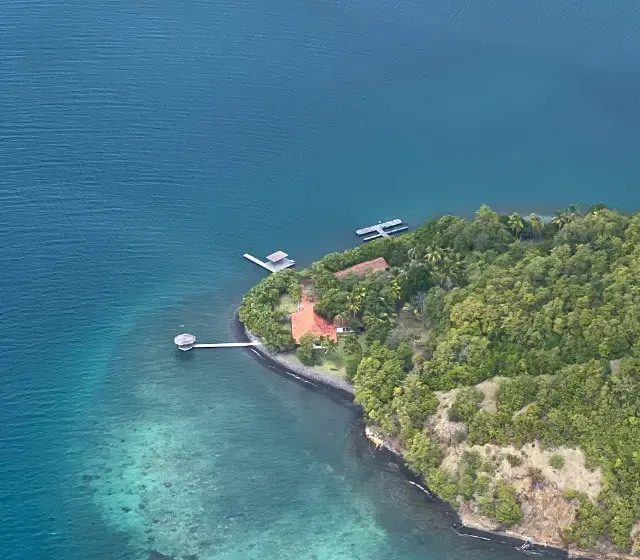
At 2,100 meters long, Îlet Chancel is the largest islet in Martinique. Its area varies across the documents of the DEAL (the French State's regional directorate for environment, planning and housing), from 70 to nearly 80 hectares, and on its own it outweighs the other nine islets combined. It shelters one of the last populations of Lesser Antillean iguanas, a critically endangered species estimated at about 370 individuals on the islet in the April 2025 survey.
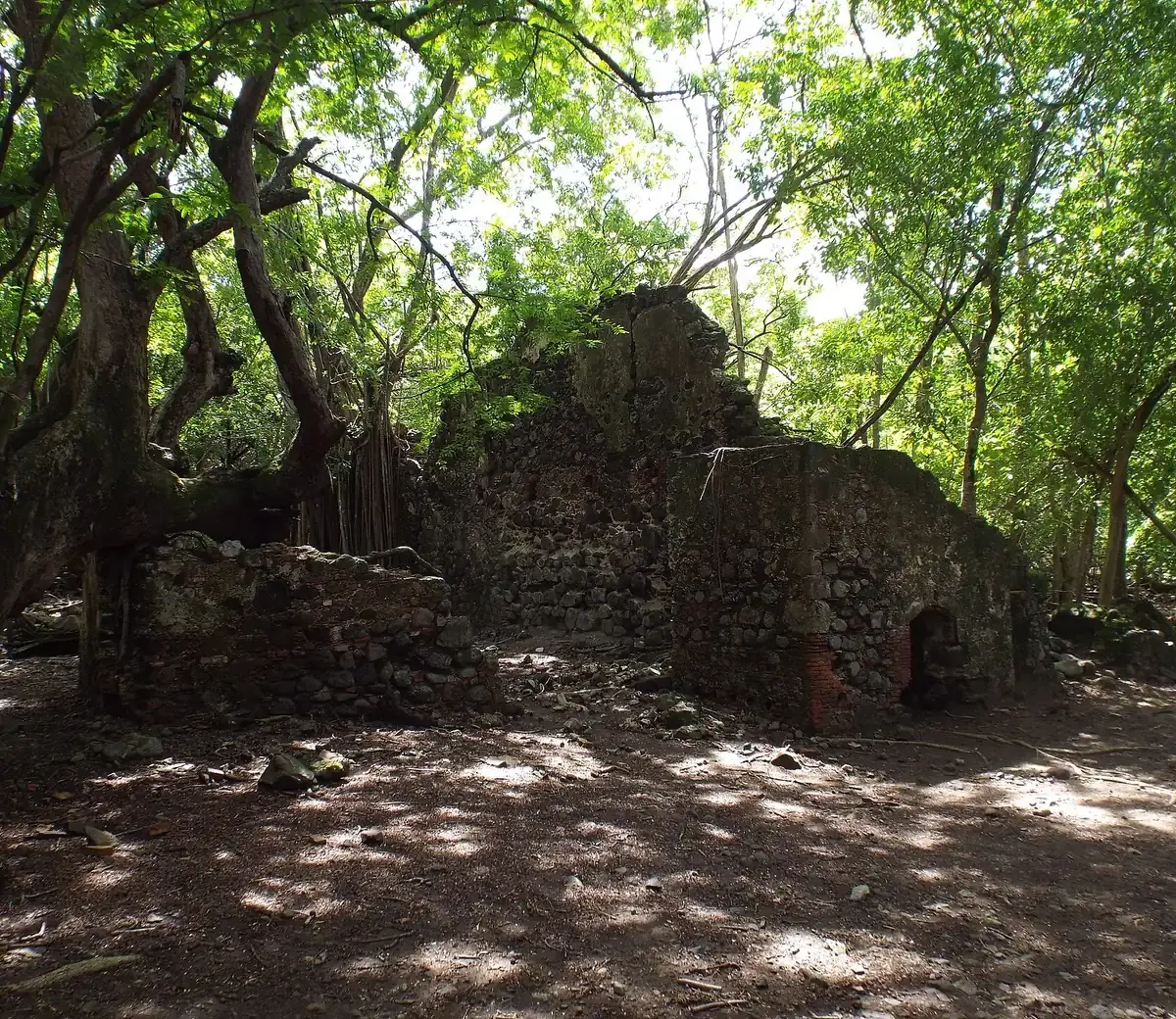
First called îlet Monsieur (Monsieur islet), then îlet Ramville (Ramville islet), it took the name of the Lagrange-Chancel family in 1891, when they bought it. What remains of its past are the ruins of a sugar estate and a pottery, with its kilns and basins. It is private property, protected by a biotope protection order (arrêté de protection de biotope) since 2005: our guide to Îlet Chancel (Chancel islet) details its iguanas and the rules for visiting.
Protected islets, and two that close
Four islets in the bay, Chancel, Madame, Loup Garou, and Boisseau, have their access regulated by prefectural biotope protection orders, the first issued in 2002 and Chancel's in 2005. Chancel has also been a registered site (site inscrit) since a ministerial order of July 28, 2007. The Conservatoire du littoral (France's coastal conservation agency) protects 5.4 hectares there, managed by the Office national des forêts (the national forestry office).
These orders do not all say the same thing. Îlet Madame is open, with a swimming cove and carbets for the public. Boisseau is off limits year-round. Loup Garou closes every year for several months, because its beaches host sea turtle nesting. These closures are not advisory: they apply to boats and kayaks alike.
Boisseau, the islet of the terns
The threat to these islets does not come from visitors alone. Rats, eliminated from Chancel in 2023, were back in 2025: the scientists who monitor the iguanas suspect the neighboring islets, including La Grotte, only 150 meters away. Protecting one islet means looking at the ones next to it.
Navigating between the islets without harm
The bay is a recreation area as much as a protected one. These rules fit in a few lines, and each one has a documented reason.
Do
- Check that an islet is open before going ashore: Madame is, Boisseau never is, Loup Garou is not year-round.
- Swim over the seagrass beds rather than walking on them, and anchor on sand rather than on green.
- Keep your distance from a turtle at sea: at least 5 meters, staying at the surface.
- Take all of your trash with you.
Never do
- Go ashore on Chancel without authorization: it is private property.
- Go ashore on Boisseau, closed year-round for its birds.
- Take shelter under a manchineel tree: its latex burns the skin, even when it runs down with the rain.
- Feed the iguanas, the fish or the birds, even a piece of fruit.
A turtle in distress
Sources
See the 8 sources for this guide
- Les îlets du Robert : îlets protégés, faune et régimes d'accès (in French) (Conservatoire du littoral)
- Les îlets du Robert : surfaces et description des 10 îlets (in French) (Ville du Robert)
- Brochure de l'arrêté de protection de biotope de l'îlet Chancel (in French) (DEAL Martinique)
- Pauwels J., Duporge N., Trochet A., 2025. Suivi de la population d'Iguane des Petites Antilles par capture-marquage-recapture sur l'îlet Chancel (in French) (Société herpétologique de France / ONF)
- Battistini R., Les récifs coralliens de la Martinique (in French) (Observatoire de l'eau de la Martinique)
- État de santé des récifs coralliens, herbiers marins et mangroves de Martinique, bilan 2020 (in French) (Ifrecor)
- La Liste rouge des espèces menacées en France, faune de Martinique, 2020 (in French) (UICN France / MNHN)
- Mancenillier (in French) (Observatoire martiniquais de la biodiversité)
Photo credits
Photographs by AGEM Excursions, except those listed below:
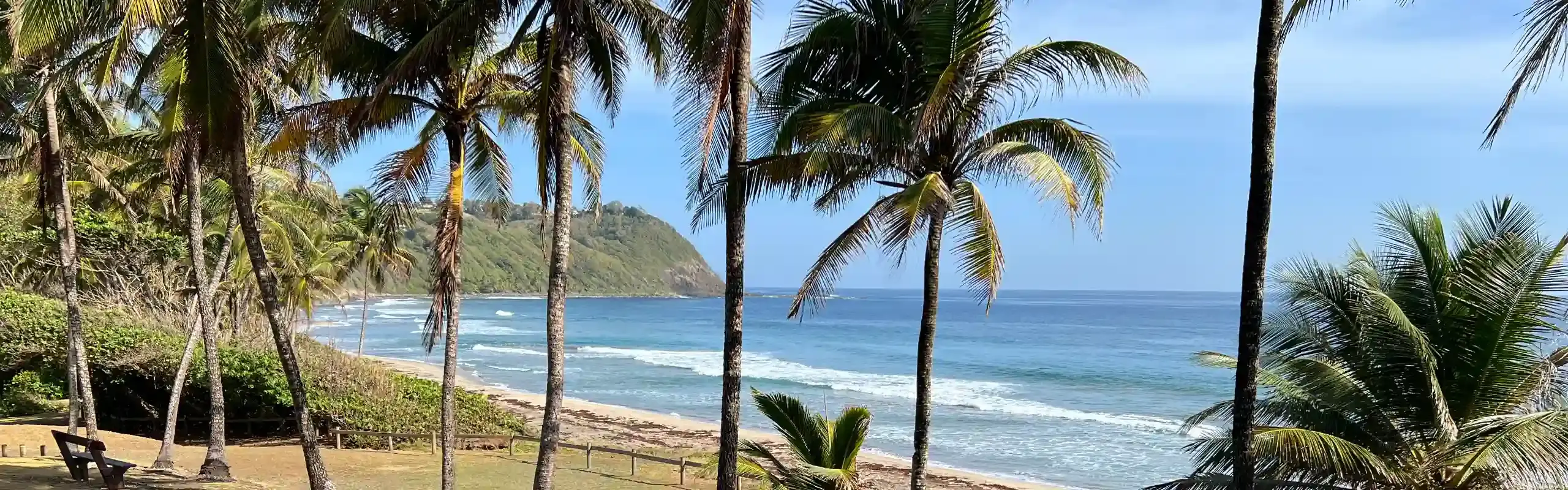
How to get there
No bridge or shuttle links the islets to the coast: you get there by sea, from Le Robert. In the bay, toward Pointe la Rose, there are also shallows of pale sand where you can stand, the white-sand shallows (fonds blancs), which our guide to the Baignoire de Joséphine (Josephine's Bath) explains. And to see the whole bay, reef included, a flight over it in an ultralight (ULM) gives the view from above that the boat does not show.
Our boat trips in the Baie du Robert
Two options leaving from the Le Robert dock, with the guided visit of Îlet Chancel in both cases.